

Quick Answer: On standard Shopify plans, you can restyle checkout in the checkout and accounts editor, add eligible apps to the Thank You and Order Status pages, and use public apps built on Shopify Functions and Web Pixels, but you cannot place custom UI extensions inside the information, shipping and payment steps. Those core-step blocks, custom checkout fields and the Checkout Branding API generally require Shopify Plus. Either way, nobody edits checkout code any more; you work through Checkout UI Extensions, Shopify Functions, Web Pixels and branding tools that Shopify supports.
The U.S. medical spa industry now generates more than $17 billion a year, according to the American Med Spa Association, and it keeps adding over a billion annually. More revenue means more competitors within a short drive of every clinic. Patients know it. They compare three or four sites on their phones, usually after work, and book with whichever one feels safest and easiest.
I've audited hundreds of aesthetic clinic websites, and the pattern repeats. A gorgeous hero video, a slow load, a contact form that dumps into a shared inbox, and one "Services" page. The clinic then buys paid campaigns to push traffic into that leak.
A beautiful website that doesn't convert is just an expensive digital brochure. Here is the short version of what to fix.
The Med Spa Website Feature Matrix
| Feature Area | Why It Matters (Conversion Impact) | Difficulty | Required Tech/Integration |
|---|---|---|---|
| Online Booking | Captures after-hours intent; removes the phone barrier | Medium | Boulevard, Zenoti, Mindbody, or Aesthetic Record via iframe or API; BAA with vendor |
| Galleries | Proof of results is the top trust signal for elective treatments | Medium | Filterable gallery, ImageObject schema, WebP/AVIF, signed photo consents |
| SEO Silos | One page per treatment ranks and answers specific searches | Medium | Treatment page templates, internal linking, FAQ content, Service/MedicalProcedure schema |
| Provider Bios | Meets YMYL scrutiny; reassures patients about who holds the needle | Low | Credential verification, real photography, Person/Physician schema |
| Mobile Speed | Most visits happen on phones; slow pages lose them | High | Image CDN, deferred scripts, Core Web Vitals monitoring |
| HIPAA Forms | Protects patients and the clinic from legal exposure | High | HIPAA-aware form platform or EMR portal, encrypted storage, BAAs |
| Review Aggregation | Social proof that new patients can verify | Medium | Google Business Profile and RealSelf feeds, Review markup where eligible |
| Subscriptions | Turns one-time visits into recurring revenue | High | Payment gateway synced to EMR/POS, membership terms, member dashboard |
Essential Features Every Med Spa Website Needs (The Foundation)
Before the individual features, one principle. Treat med spa website design as patient flow engineering, not decoration. Every page should answer a question, build a piece of trust, or move someone toward a booking. Anything that does none of those gets cut. Whether a clinic is just opening or rebuilding a site that underperforms, our med spa web design services start from that rule: the site earns its keep in booked appointments.
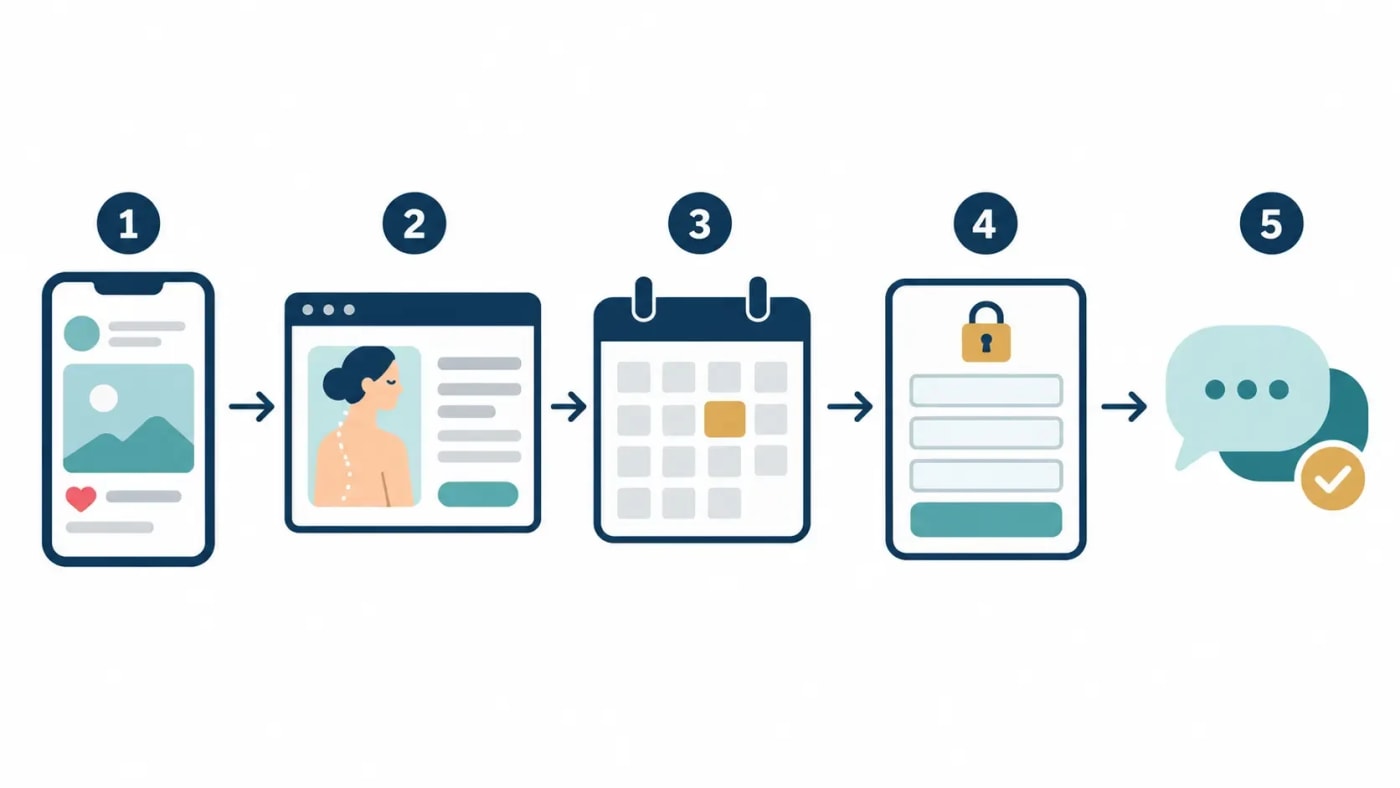
Frictionless, HIPAA-Compliant Online Booking (Kill the Contact Form)
The "call to book" era is over for first-time patients. Here is what actually happens when you force a patient to phone in. They're researching at 11 PM, the line is closed, and a competitor's "Book now" button is one thumb-tap away.
There are two integration paths. Iframe embeds from Boulevard, Zenoti, Mindbody, or Aesthetic Record are the fastest. Style the frame to match your brand and make it responsive, or mobile users get a tiny scrolling box. API-driven builds pull treatments, providers, and availability into your own front end, so the patient never feels they left your site. That route costs more and gives you better analytics and design control.
Three rules apply to either approach.
- Deep-link every treatment button."Book Morpheus8" should open Morpheus8 inside the booking flow, not a generic menu.
- Collect the minimum to hold a slot.That means name, mobile number, email, and service. Medical history belongs in the intake step after booking.
- Audit the data handoff.Any vendor that creates, receives, or stores patient health information on your behalf should sign a HIPAA business associate agreement. That covers the booking platform, form tool, and email system.
Be careful with ad pixels and analytics tags on booking and intake pages. HHS still lists its tracking-technology bulletin among its HIPAA guidance, although a federal court vacated part of it in 2024. Have counsel tell you where the line sits for your clinic.
Then close the loop. A patient who starts booking and stops should get a text or email, which is what automated follow-upis for.
High-Fidelity Before And After Galleries (The Trust Engine)
An Instagram feed is not a gallery. You can't filter it, the algorithm decides what shows, and it doesn't sit on your domain where it can support your treatment pages.
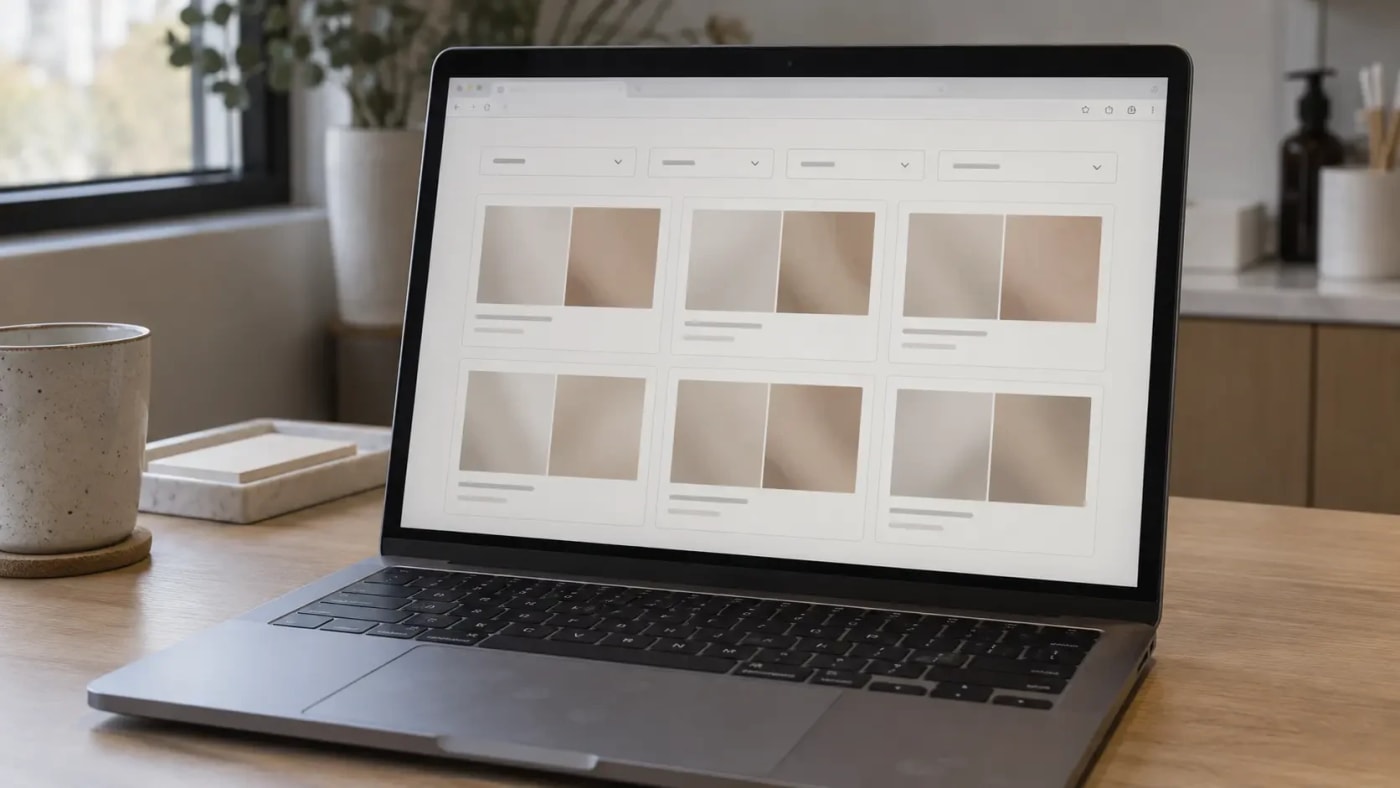
When designing a high-converting med spa site, the first thing I check is how easily a visitor can filter before-and-after cases. A patient considering lip filler wants lip filler results, in an age range close to hers, not a scroll through everything. Build filters for treatment, area, age bracket, and skin type or Fitzpatrick range.
Standardize the photography. Same lighting, same angle, same distance, same background, no beauty filters, no heavy retouching. Inconsistent photos read as cherry-picking, and patients notice. Use a subtle watermark, collect written photo consent, and check your state board's rules on advertising results, including disclaimers like "individual results vary."
The technical layer matters just as much:
- Serve WebP or AVIF.
- Set explicit width and height so images don't shift the layout.
- Lazy-load below the fold and paginate the grid.
- Write descriptive alt text and file names.
- Add ImageObject schema to help visual search understand each case.
Don't trap the best work on one gallery page. Embed two or three relevant cases on each treatment page, right where the patient is deciding.
Dedicated, AEO-Optimized Service Pages (No More "Our Services")
I've rebuilt generic "Our Services" pages into full local SEO silos for Botox, CoolSculpting, and laser hair removal, and the result is always the same. One page listing 20 treatments can't rank for any of them. It gives each treatment two lines, and it answers none of the questions patients actually type.
The anatomy of a strong treatment page, using Morpheus8 as the example:
- Hero:treatment name, city, one-sentence promise, and a booking button.
- Direct answer:a 40 to 60 word response to "What is Morpheus8?" placed high on the page. This is the block answer engines lift.
- Benefits and ideal candidates,including who should not get it.
- How it works,in plain language.
- What to expect:sensation, numbing, session length.
- Recovery timeline:day one, day three, day seven.
- Provider performing it,linked to their bio.
- Relevant before-and-afters.
- Pricing approach.
- Specific FAQswritten as real questions.
- A clear CTA.
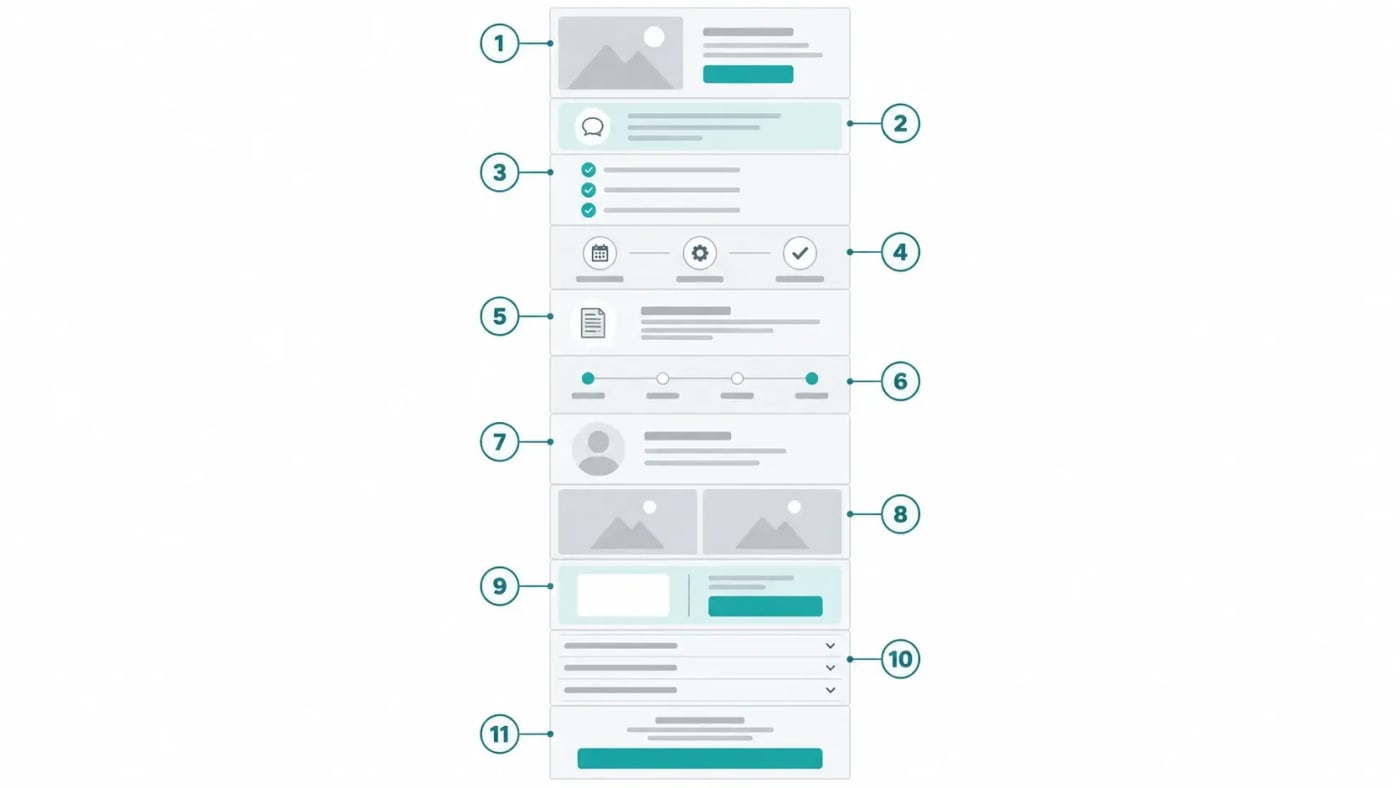
Write question-style subheadings, keep the FAQs visible on the page, and link related treatments to each other. Use Service or MedicalProcedure schema where it genuinely fits. Don't clone pages across cities with a swapped place name. Google reads those as doorway pages.
Mobile-First Performance & Core Web Vitals
Mobile still handles the majority of web traffic. StatCounter's September 2026 platform data shows phones ahead of desktop globally, and on the aesthetic clinic sites I audit, phones dominate. Your gallery, your booking frame, and your video all have to survive a mid-range Android on a mediocre connection.
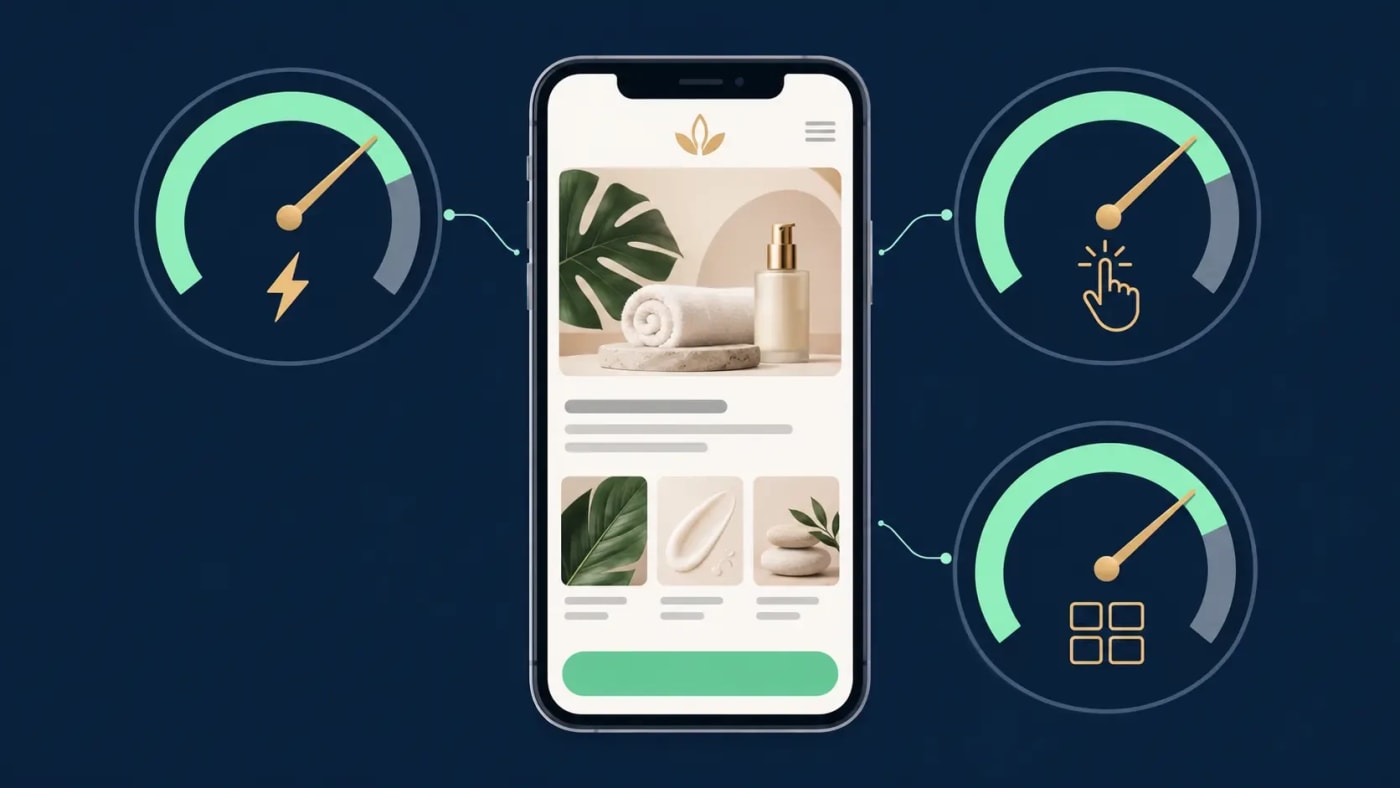
Google's Core Web Vitals set the "good" thresholds: Largest Contentful Paint within 2.5 seconds, Interaction to Next Paint under 200 milliseconds, and Cumulative Layout Shift below 0.1. Med spa sites miss them for predictable reasons:
- Uncompressed hero images
- Autoplay video
- Chat widgets and tag-manager bloat
- Booking iframes that load before the patient asks for them
Fixes that work:
- Put images behind a CDN.
- Use click-to-load video posters.
- Defer third-party scripts.
- Load the booking frame on tap.
- Add a sticky "Book" and "Text us" bar on mobile.
- Test on real hardware over throttled 4G, not on your office fiber with the newest iPhone.
Medical Provider Bios & Credentials (Mastering YMYL and E-E-A-T)
Google treats health and medical content as Your Money or Your Life territory, and its guidance on helpful, people-first content leans on experience, expertise, authoritativeness, and trust. A person about to have a needle near their eye wants to know who is holding it.
Every provider needs a real bio page:
- Full name and licensure (MD, DO, NP, PA, RN, esthetician)
- Board certifications and specialty
- Training for the specific treatments they perform
- Years of hands-on practice
- The medical director's identity and oversight role, where your state requires one
Link to your state's license lookup where one exists. Use real photos of real providers in your real treatment rooms.
Here is the raw truth about stock photos of flawless models: patients spot them instantly, and they quietly signal that the clinic has something to hide. Add Person or Physician schema to the bios so the credentials are machine-readable too.
Pricing Transparency vs. Strategic Gatekeeping
You don't have to choose one. Patients compare commodity treatments, so show "starting at" ranges for neurotoxins per unit, filler per syringe, and standard facials. Hiding those prices pushes comparison shoppers to the competitor who posts them.
Gate what is genuinely custom: body contouring plans, multi-session laser protocols, and combination treatments. Say why the price varies and what a consultation includes. The aim is to qualify, not to hide. A visitor who sees a fair range and still books is a better patient than one who calls to ask a number and disappears. Check your state's rules on advertising promotions before you publish offers.
Patient Portals, Forms, and Pre-Care/Post-Care Hubs
Intake and consent forms belong inside your EMR's portal or a form tool that signs a BAA, never a standard contact form that emails PHI. Send forms after booking, so the booking path stays short.
Then build a pre-care and post-care hub with a page for each treatment: what to avoid before, what to expect after, which symptoms are normal, and which mean "call us now." It cuts front-desk calls and gives patients a reason to trust that you'll be there after the procedure. Keep anything clinical behind the portal login. Put a visible "Patient Login" link in the header so existing patients don't wander through the booking flow.
Automated, Schema-Rich Review Aggregation (The Social Proof Engine)
BrightLocal's 2026 Local Consumer Review Survey found that 97% of consumers read reviews for local businesses. The same research shows consumers increasingly turning to AI tools for local recommendations, so the reviews you earn also feed what those tools say about you.
Ditch the static testimonial slider that no one believes. Pull real reviews from Google Business Profile and RealSelf, through the Business Profile API or a vetted widget that preserves attribution. Show them on the treatment pages they relate to, newest first.
Now the technical honesty. Google's review snippet guidelines say that if the entity being reviewed controls the reviews about itself, pages using LocalBusiness or Organization markup aren't eligible for star results. The guidelines were also tightened this summer to say that sites shouldn't include fake or undisclosed incentivized reviews in markup. So add Review and AggregateRating JSON-LD only for genuine, visible reviews, and don't promise stars in search results. The markup still helps machines understand your content.
The FTC's final rule on fake reviews bans fake reviews and buying reviews, so never gate or filter by sentiment.
Frictionless Membership & Subscription Gateways
Med spas run on recurring revenue, and a "VIP Tox Membership" or monthly facial plan is only as good as the checkout behind it.
The architecture needs three parts:
- Plan pagesthat state exactly what's included, such as units, services, and discounts.
- A checkoutwith a payment gateway tied to the clinic's EMR or POS, so a new member appears in the system without front-desk re-entry. Boulevard, Zenoti, and Mindbody all handle memberships natively, and the website should hand off to them cleanly.
- A member dashboardwhere people can update a card, pause, or cancel.
Keep the cart to three steps with Apple Pay and Google Pay. State the billing date, rollover rules, freeze policy, and cancellation terms in plain sight. Auto-renewal disclosure laws vary by state, and unclear terms generate chargebacks. Keep clinical data out of the payment flow entirely.
Integrated Video Content & Virtual Consultation Funnels
High-ticket and ablative procedures, like CO2 resurfacing, create anxiety. A 60 to 90 second video of the provider answering "How much downtime?" and "What will my skin look like on day three?" lowers it before the patient walks in.
Host video through a streaming service with adaptive bitrate. Show a poster image and load the player on click, so it never hurts your mobile speed. Add captions, a transcript, and VideoObject schema.
For virtual consults, build a secure intake form with guided photo upload: front, side, and close-up instructions. Uploads need encryption and a vendor under a BAA. Never route them through regular email or text. Ask about goals, history, and timeline so the form qualifies candidacy and expectations before anyone takes up chair time. It informs the consult. It never diagnoses.
Must-Have Features for Medical Spa Websites to Dominate Local SEO
The best med spa websites I've reviewed share one trait. They treat local search as architecture, not an afterthought. That is where local SEO work pays off.
The must-have features for medical spa websites that rank locally:
- Matching business details.Name, address, and phone should be identical on the site, your Google Business Profile, and every directory.
- Location pagesfor each physical clinic, with unique content, a map, parking details, and provider names.
- MedicalBusiness or LocalBusiness schemawith hours, services, and sameAs links to your profiles.
- Treatment-plus-city targetingdone properly, through genuine pages with genuine information, not templates.
- Answer-first content.Open each page with a short direct answer, then expand. Patients ask search engines and AI tools questions like "Is Botox safe for first-timers?" and the clear, well-sourced answer gets cited.
- Internal linksbetween related treatments and from every treatment to the provider who performs it.
The Final Verdict: Building Your Conversion Machine
Put together, these features create a 24/7 sales machine. It answers questions, proves results, verifies credentials, and takes bookings at 11 PM without a receptionist.
Sequence the work by what stops losing patients first:
- Do this first:the booking engine, mobile speed, and HIPAA compliance. These stop the bleeding.
- Do this second:dedicated service pages and honest review markup. These bring in the traffic.
- Do this third:advanced filterable galleries, memberships, and patient portals. These raise lifetime value.

FAQs
Do I need to display my med spa pricing online?
Show starting-at ranges for commodity treatments like neurotoxins, standard filler, and facials. Patients compare those prices anyway. Keep custom plans, such as body contouring and combination protocols, behind a consultation, and explain what drives the cost. Check your state's advertising rules before posting promotions.
How do I make my med spa website HIPAA compliant?
Move any form that collects health information onto a platform that signs a business associate agreement, or into your EMR's portal. Encrypt data in transit and at rest. Audit ad pixels and analytics tags on booking and intake pages. HIPAA applications vary by clinic, so have a healthcare attorney review your setup.
Which booking software integrates best with a med spa website?
Boulevard, Zenoti, Mindbody, and Aesthetic Record all offer embeds, and some provide APIs. The best fit depends on your EMR, your membership needs, and how much design control you want. Ask each vendor about deep-linking to specific treatments, mobile performance, and BAA terms before you commit.
How many before and after photos are enough to build trust?
There is no magic number, but each major treatment should show a handful of consistent, well-lit cases, ideally across different ages and skin types. Quality and consistency beat volume. Obtain written consent for every photo and follow your state board's advertising rules.
Should I use stock photos for my aesthetic clinic website?
Avoid them for anything involving your team, your rooms, or your results. Patients can spot stock imagery, and it weakens trust at the exact moment they're deciding who to let near their face. Use real photography of your providers and clinic. Stock is acceptable only for abstract backgrounds.
What is the best way to get local SEO traffic for high-ticket injectables?
Build a dedicated page for each injectable, such as Botox, Dysport, lip filler, and cheek filler. Give each one a direct answer, recovery details, provider bios, real before-and-afters, and FAQs. Keep your Google Business Profile complete, earn recent genuine reviews, and link treatment pages together.
Do I need a custom app for my med spa, or is a mobile-optimized website enough?
For most clinics, a fast, mobile-optimized website with strong booking and a patient portal is enough. A custom app adds development and maintenance costs, and few new patients will download an app before their first visit. Consider an app only when you have a large member base that would use it often.
How do I effectively sell med spa memberships through my website?
Give each membership its own page with clear inclusions, pricing, and terms. Build a short checkout that syncs with your EMR or POS, and offer a simple member dashboard to pause or cancel. Spell out billing dates and cancellation rules. Transparent terms reduce chargebacks and build trust.